



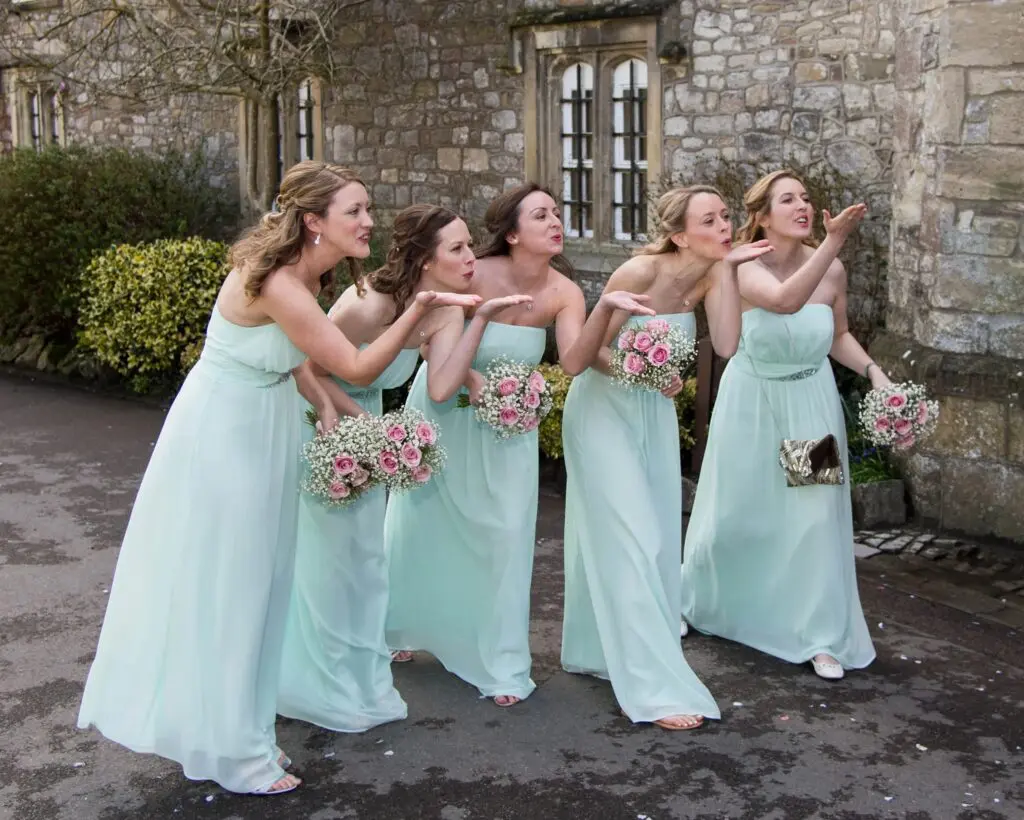
A wedding gallery should still feel like your wedding when you look back at it in ten, twenty or thirty years. That is why wedding photography trends 2026 are less about copying a look from social media and more about choosing photographs with personality, feeling and lasting value. Couples are rightly asking for images that are polished without being stiff, stylish without becoming dated, and full of the people who made the day matter.
For couples planning a celebration in South Wales, the West Country or further afield, the best approach is to use trends as inspiration rather than a rulebook. Your venue, timetable, weather, guest list and comfort in front of the camera should shape the photography far more than any passing fashion.
Wedding photography trends 2026: more real moments
The strongest shift continues to be towards natural, documentary-led coverage. Rather than spending large parts of the day arranging every image, couples want their photographer to notice the unscripted moments: a parent seeing their child ready, friends laughing during the speeches, a hand squeeze before the ceremony, or the chaos and joy of the dance floor.
This does not mean no direction at all. Most people appreciate clear, calm guidance for group photographs and portraits. The difference is that portraits are becoming more relaxed. A short walk together, a conversation, or simply taking a breather away from the reception often produces far more natural expressions than being asked to hold an uncomfortable pose.
A good photographer balances both. The formal family photographs remain valuable, particularly for older relatives and for people who may not be together often. They just need to be efficiently planned, with a sensible list and someone who knows the family helping to gather people. That leaves more of the day available for genuine moments.
Editorial style, without the pressure
Editorial wedding photography is still influencing how couples want their portraits to look. Think clean composition, flattering light, thoughtful backgrounds and images that would look at home in a magazine. In 2026, though, the preference is for a less staged version of that style.
The aim is not to turn your wedding into a fashion shoot. It is to create a handful of beautifully composed photographs while keeping the experience relaxed. A grand staircase, a striking window, an old stone wall or a dramatic coastal view can all offer an elegant setting, but the couple should still look like themselves.
This works particularly well at venues across Cardiff, Newport, Bristol, Bath and the surrounding countryside, where historic buildings and varied landscapes provide plenty of character. It does depend on allowing a little time in the schedule. Even 15 to 20 minutes around the best available light can make a real difference, without keeping you away from your guests for too long.
Flash photography returns for the evening
Direct flash is one of the more noticeable wedding photography trends for 2026. Used well, it brings energy to evening photographs, gives dance-floor images a lively feel and can create a confident, party-focused look. It is especially effective after dark, when natural light is no longer available and the atmosphere becomes more informal.
There is a trade-off. Flash photography has a distinctive style, and it will not suit every couple or every part of the day. Soft natural light is generally more flattering for quiet preparations, emotional ceremonies and romantic portraits. Direct flash comes into its own later, when the music is louder, the ties are loosened and guests are less aware of the camera.
The best galleries often mix both approaches. They may begin with soft, natural coverage, use carefully controlled lighting for the first dance, then capture the evening with more movement and fun. This variety helps the finished collection tell the full story rather than making every image look the same.
Film-inspired colour and timeless editing
Many couples are drawn to photographs with gentle grain, warm tones, soft contrast or a film-inspired finish. The appeal is understandable: these images can feel romantic and tactile, particularly at countryside, barn and heritage weddings.
However, editing styles should be chosen carefully. Extremely dark images may lose detail in suits and indoor spaces. Heavy orange, green or desaturated filters can also affect skin tones and may date faster than expected. A consistent, natural edit with tasteful colour and accurate skin tones is usually the safer long-term choice.
Ask to see complete wedding galleries rather than only a handful of portfolio highlights. This shows how a photographer handles bright sun, rain, churches, registrars’ rooms, low-lit receptions and evening celebrations. It also gives you a clearer idea of whether their editing style remains attractive across a whole day.
Black and white for emotion, not novelty
Black and white photography remains an important part of a modern wedding gallery. It can remove visual distractions and draw attention to expression, light and connection. Tears during a speech, a close embrace, or a grandparent watching the first dance can often feel even more powerful without colour.
The key is restraint. Black and white should enhance the photograph, not be used as a shortcut for difficult lighting or applied to every image. A good final gallery will use it where it adds feeling and leave colour where the flowers, setting and atmosphere deserve to be seen.
Smaller details, bigger meaning
Couples are placing more importance on the details that make a wedding personal. These may include handwritten vows, inherited jewellery, meaningful readings, favourite drinks, table settings created by family members, cultural traditions or a much-loved dog taking part in the day.
The trend is not simply to photograph every object in isolation. It is to show details in context. A close photograph of a keepsake is lovely, but it becomes more meaningful when paired with the moment it is worn, given or noticed. That is how detail photography supports the story instead of interrupting it.
If there are traditions or people that matter especially to you, tell your photographer before the wedding. No experienced professional expects a couple to know every photograph they want, but a little background helps them recognise the moments that cannot be repeated.
Less posing, more movement
Movement is becoming a useful alternative to traditional posing. Walking together, adjusting a veil, sharing a joke, spinning on the dance floor or greeting guests can create photographs that feel active and unforced. This is welcome news for couples who worry that they are not naturally comfortable in front of a camera.
It is worth remembering that natural-looking images still require skill. The photographer needs to choose the right light, give simple direction and anticipate the moment rather than hoping it happens by chance. You should never be left wondering what to do with your hands, but neither should you feel as though you are following a complicated set of instructions.
At Premiere Photography, the focus is always on helping couples feel at ease while ensuring the important photographs are properly covered. Experience matters here, especially when timings change, rain arrives or a busy venue gives you less space than expected.
A gallery that includes everyone
A welcome development is the move away from wedding galleries centred almost entirely on the couple. Your portraits should absolutely be a priority, but the people around you are a major part of the memory. Couples increasingly want photographs of friends reconnecting, children playing, parents relaxing, suppliers working hard and guests enjoying the celebration.
This is also where full-day or well-planned coverage can offer real value. A short period of photography can capture the ceremony and a few group shots, but it may miss the changing mood of the day. Coverage that runs from preparations into the evening provides a fuller record, although the right package depends on your plans and budget.
When comparing quotes, look beyond the headline price. Check the hours of coverage, the number of photographers where relevant, travel costs, image delivery, editing, albums and whether the photographer has a proven record of handling weddings similar to yours. Affordable wedding photography should still mean reliable planning, professional equipment and care in the final edit.
How to choose trends that will suit your wedding
Before saving hundreds of images, decide how you want the day to feel. If you value time with guests, prioritise documentary coverage and keep portraits efficient. If dramatic evening images matter, build in a few minutes after dark. If family photographs are important, create a focused group list rather than trying to photograph every possible combination.
Share your priorities openly with your photographer. The best results come from clear expectations, a realistic timeline and enough trust to let them work. A trend may look impressive online, but it is only worthwhile if it suits your venue, your personalities and the way you want to remember the day.
The photographs you treasure most may not be the ones you planned. Give your day room for laughter, quiet glances and the people you love to be themselves, and those are the images that will keep gaining value long after 2026 has passed.


