



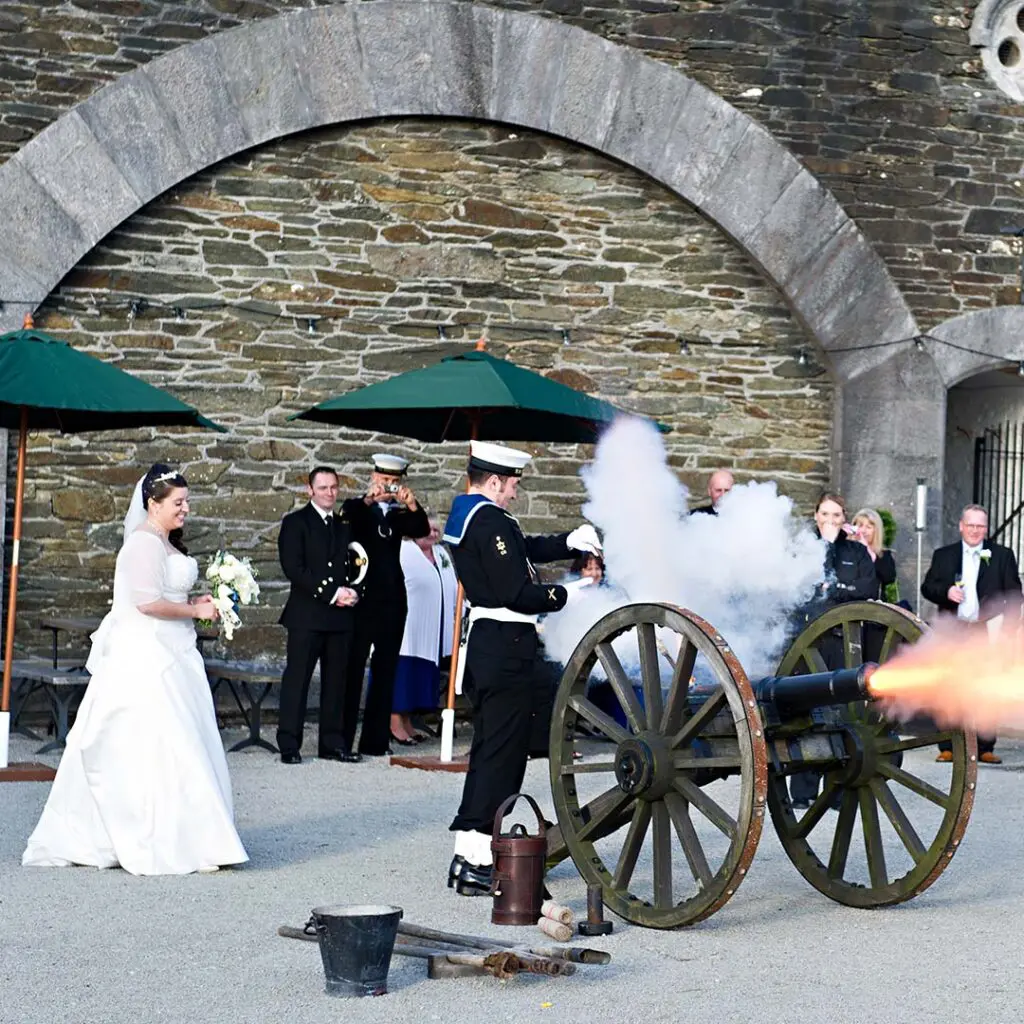
The confetti has just been thrown, someone has laughed so hard they have closed their eyes, and your grandparents are sharing a quiet word at the edge of the crowd. These are often the photographs couples treasure most. A wedding photojournalism style is designed to preserve these real, unrepeatable moments, rather than asking you to stop them for the camera.
For many couples, that sounds like exactly what they want: relaxed coverage, genuine emotion and a wedding album that tells the story of the day as it actually felt. But it is worth understanding what photojournalistic photography does and does not mean before deciding whether it suits your plans.
What is wedding photojournalism style?
Wedding photojournalism is a documentary-led approach to photography. The photographer observes the day closely and anticipates moments as they unfold, capturing natural reactions, connections and details with minimal interruption.
Think of the nervous smile before the ceremony, a parent straightening a buttonhole, children falling asleep after the meal, or the look on your partner’s face as you walk towards them. None of these moments need to be staged to be meaningful. In fact, they are usually stronger because they are not.
The aim is not simply to take candid photographs from a distance. A skilled photographer needs to read the room, understand where the light is falling, position themselves discreetly and react quickly. The result should feel honest and effortless, even though a great deal of experience sits behind every well-timed image.
At Premiere Photography, we know that most people do not want to spend their entire wedding day being directed. They want to be present with the people they have invited. Documentary coverage helps make that possible while still giving you a carefully considered record of the day.
What it looks like in a real wedding gallery
A photojournalistic wedding gallery should have a sense of movement. It will show the big milestones, such as the ceremony, speeches and first dance, but it will also include the moments between them.
You may see guests arriving and greeting one another, the anticipation before the ceremony begins, hands being held during a speech, or friends reacting to an unexpected joke. These images give context to the formal parts of the day. Years later, they can bring back the atmosphere just as clearly as a photograph of the dress or the venue.
This approach is particularly suited to couples who feel uncomfortable posing, have a busy guest list they want to enjoy, or are planning an informal celebration. It also works beautifully at larger weddings, where so much is happening at once and the smaller interactions can otherwise be missed.
That said, photojournalism is not a reason to leave every part of the day to chance. Good documentary wedding photography involves preparation. Your photographer will still need to know your timings, key family members, important traditions and any surprises you have planned. The more they understand what matters to you, the better they can be in the right place when it happens.
Wedding photojournalism style is not the same as no posing
This is one of the most common misunderstandings. Choosing a wedding photojournalism style does not mean you cannot have family group photographs or a few relaxed portraits together. It simply means those photographs are handled efficiently and naturally, rather than dominating the day.
Most couples appreciate having a small number of well-organised group shots. They matter to parents, grandparents and relatives, and they can become increasingly valuable over time. The key is to make a sensible list in advance, keep it to the people who truly matter, and allow enough time without turning the drinks reception into a queue.
Couple portraits can also be part of documentary coverage. Rather than putting you through a lengthy fashion shoot, your photographer may take you for a short walk away from the crowd, use flattering light and give you simple direction when needed. You do not need to know how to pose. You simply need a few minutes together.
The best balance depends on you. If formal family photographs are a priority, say so. If you would rather have as little direction as possible, say that too. A professional photographer should shape the coverage around your day, not force your day to fit one rigid photography style.
Natural does not mean unplanned
Relaxed photographs are easier to achieve when the schedule is realistic. Allowing a little breathing room after the ceremony, before the wedding breakfast and around sunset gives you space for natural moments to happen.
A tight timetable can still work, but it reduces flexibility if the ceremony runs late, the weather changes or guests take longer than expected to gather for group photographs. Your photographer can advise on timings, particularly if you want a mixture of documentary images, family groups and couple portraits.
Why experience matters with documentary coverage
Anyone can take a photograph when something obvious happens. The real skill lies in recognising what is about to happen, getting into position without becoming a distraction and working confidently in difficult conditions.
Churches, barns, hotels, outdoor ceremonies and registry offices all bring different challenges. Light can be low, mixed or changing quickly. Guests may stand in the way. A lively dance floor may be dark one moment and lit by coloured lights the next. An experienced wedding photographer knows how to work with these conditions while keeping the photographs natural.
They also understand the flow of a wedding. They know when a parent is likely to see a bride or groom for the first time, when reactions happen during speeches, and when guests tend to relax. This awareness is particularly useful because the strongest images are often gone in seconds.
Discretion matters too. You should not have to notice your photographer constantly moving in front of guests or interrupting emotional moments. Being approachable is important, especially during group photographs, but so is knowing when to step back.
Questions to ask before booking
When looking at a photographer’s work, do not judge it only by a handful of polished highlights. Ask to see full wedding galleries. This shows whether they can tell a consistent story from preparations through to the evening, in a variety of lighting and weather conditions.
It is also helpful to ask how much direction they usually give, how they handle family photographs and what happens if rain changes the plan. Their answers should be clear and practical, not vague promises that everything will somehow work itself out.
Consider whether their portfolio reflects the kind of celebration you are planning. A photographer who works confidently in city venues may also be excellent at a countryside barn wedding, but you should see evidence that they can adapt. The same applies if you are marrying in Cardiff, Newport, Bristol, Bath, Somerset or further afield. Local knowledge can help, while the ability to travel and work calmly in a new venue is just as valuable.
Finally, make sure you like the photographer as a person. They will be around you during emotional, occasionally hectic parts of the day. You need someone who listens, explains things plainly and makes you feel at ease, not someone who treats your wedding as another content shoot.
How to get the best natural photographs
The simplest advice is to be present. Put your phone away when you can, speak to your guests and let yourselves enjoy the day. The less you worry about whether you are being photographed, the more natural the images will feel.
Tell your photographer about people and moments that matter. Perhaps a relative is travelling a long way, you have made something by hand, or there is a family tradition during the speeches. They cannot photograph every detail on a long wish list, but knowing the priorities helps them focus their attention.
Choose the amount of portrait time that feels right for you, then protect it in the schedule. Ten quiet minutes together may be enough for some couples; others would enjoy a little more time. There is no correct answer, only the balance that lets you have photographs you love without missing the celebration.
Your wedding will not be perfect in the manufactured sense, and it does not need to be. A gust of wind, a sudden laugh, happy tears or a slightly chaotic dance floor are part of what makes the day yours. Choose a photographer you trust, give them a clear idea of what matters, and then give yourselves permission to enjoy every moment in front of them.


