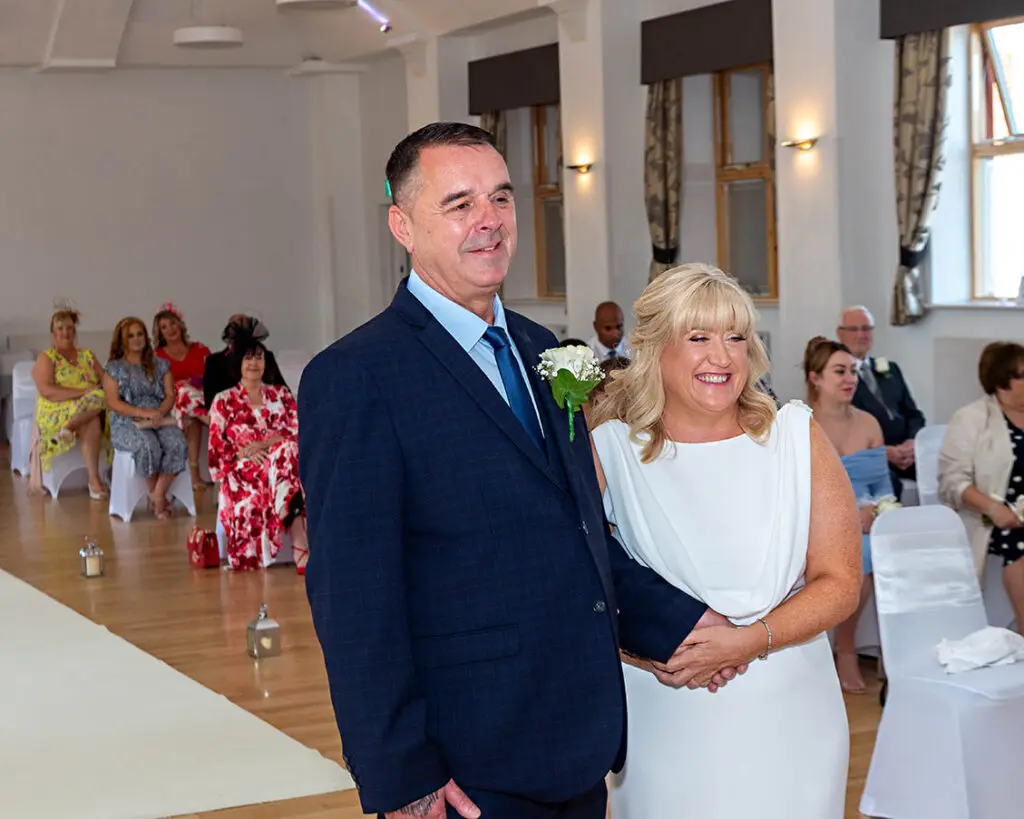
Scroll down to view other blog posts from many other weddings and events.

How to Budget Wedding Photography

The shock usually comes when couples start comparing venues, catering and photography side by side. A wedding photographer is not just another supplier ticking a box, so if you’re wondering how to budget wedding photography, the best place to start is by treating it as part memory, part service and part expertise. Once you look at it that way, the numbers begin to make more sense.

Photography is one of the few parts of the day that stays with you long after the cake is gone and the flowers have faded. That does not mean you need to spend a fortune. It does mean you should budget with a clear idea of what you want, what matters most to you, and where cutting too far can cost you more in disappointment than it saves in pounds.

How to budget wedding photography without guessing

A sensible photography budget starts with your full wedding budget, not with random figures pulled from forums or social media. If your overall spend is modest, your photography still needs to sit high enough on the priority list to secure someone experienced and reliable. If it matters to you that your day is covered properly, with consistent quality and good communication, it needs a realistic allowance.

Many couples find that photography sits somewhere between 8 and 15 per cent of the total wedding budget, but that is only a guide. A smaller wedding with fewer extras may still justify strong photography coverage, while a larger wedding with a bigger guest list may stretch your budget in other directions. The key is not matching what someone else spent. The key is deciding what level of coverage and quality feels right for your day.

Start by writing down the full amount you can comfortably spend on the wedding. Then separate your essentials from your nice-to-haves. If professional photography is one of the things you would regret compromising on, say that clearly at the start. It is much easier to budget properly when you are honest about priorities.

What you are actually paying for

One reason couples struggle with pricing is that they often compare photography as if they are only paying for a few hours with a camera. In reality, you are paying for far more than time on the day.

You are paying for experience, planning, communication before the wedding, travel, professional equipment, insurance, backup gear, editing, image delivery and the photographer’s ability to handle changing weather, dark venues, family groupings and tight timelines without turning your day into a production. That is why there can be a real difference between very low-cost photography and photography that offers genuine value.

Affordable does not have to mean basic. Good value means you receive professional standards, dependable service and images you are genuinely pleased to look back on. That is very different from choosing purely on the cheapest quote.

Decide what coverage you really need

Before comparing packages, think about how much of the day you want photographed. This has one of the biggest effects on price.

If you only want the ceremony, a few family groups and some couple portraits, a shorter package may be enough. If you want bridal preparations, guests arriving, the ceremony, drinks reception, speeches, cake cut, first dance and some evening atmosphere, you will need more hours. Full-day coverage costs more, but it also means fewer rushed decisions and less chance of important moments being missed.

There is no single right answer here. A small register office wedding in Newport will not need the same coverage as a large country house wedding in Somerset or a city wedding in Bristol with two venues and evening entertainment. Budgeting properly means matching the package to the shape of your day.

Ask yourself these practical questions

When does the story of the day begin for you? For some couples, it starts at the ceremony. For others, the preparation photographs are part of the memory. Also think about whether speeches happen before or after the meal, whether you want the first dance covered, and whether evening guests matter to you in the final gallery.

If you can answer those questions early, it becomes much easier to rule out packages that are too short or unnecessarily long.

Know the difference between price and value

A low quote can be tempting, especially when wedding costs are adding up from every direction. But very cheap photography often comes with trade-offs. Those trade-offs may include less experience, minimal editing, poor communication, no backup equipment, limited galleries or inconsistent results in difficult lighting.

That does not mean the highest price is automatically the best choice either. Some photographers charge premium rates because of brand position, demand or a luxury market focus that may not match what you need. The sweet spot for many couples is finding a photographer with strong experience, clear pricing and a portfolio that proves they can deliver quality consistently.

This is where reviews and full galleries matter. Anyone can show a few lovely images on social media. What you need to know is whether they can photograph a whole wedding well, from bright outdoor confetti to dimly lit first dances.

Build your photography budget around the essentials first

If you are trying to keep costs sensible, start with the core service and only then consider extras. Coverage and professional image delivery come first. Albums, engagement shoots, second photographers and extended hours can all be worthwhile, but they should be added because you want them, not because they distract from whether the main package actually suits you.

For example, an album is lovely to have, but if including one forces you into too little coverage on the day, your priorities may be the wrong way round. In most cases, the stronger choice is to secure enough time with your photographer first and add products later if your budget allows.

A second photographer can be valuable for larger weddings, especially if both partners are getting ready in different locations or if the day involves multiple angles and more guest coverage. For a smaller wedding, though, one experienced photographer may be perfectly enough. Again, it depends on the shape of the day rather than a fixed rule.

Leave room for the less obvious costs

When working out how to budget wedding photography, remember to ask what is included and what may cost extra. Couples are sometimes caught out because they only compare the headline package price.

Check whether travel is included, especially if your wedding is outside the photographer’s usual area or in a venue with a long drive. Ask whether extra hours can be added later and at what rate. Confirm whether edited high-resolution images are included, how they are delivered, and whether there are charges for albums, prints or parent books.

It is also worth asking about booking fees and payment schedules. Spreading payments over time can make a perfectly sensible package feel much more manageable.

Be realistic about your date and demand

Wedding dates affect photography costs more than some couples expect. Peak summer Saturdays are usually in highest demand, while midweek and off-peak dates can offer more flexibility. If your wedding date is fixed and falls in a busy season, it is worth booking sooner rather than later. Waiting too long can reduce choice and leave only the options outside your preferred budget.

If you have flexibility, a weekday or winter date may help you secure stronger value. That said, do not book a date you do not really want purely to save on one supplier. The whole day still needs to feel right for you.

Compare photographers properly

When you start making enquiries, compare like with like. One package may look cheaper until you realise it covers fewer hours, excludes edited files or adds travel on top. Another may appear more expensive but include enough time, full editing and a better overall level of service.

Look at their experience, communication style, consistency, reviews and whether you feel comfortable with them. Wedding photography is personal. Your photographer will be around you, your family and your guests during some very important moments. Confidence and ease matter as much as pricing.

For couples who want professional wedding photography at realistic prices, especially across South Wales and the West of England, this is often where experienced businesses such as Premiere Photography stand out – not by being the cheapest on paper, but by offering strong value, solid coverage and dependable standards.

A simple way to set your number

If you feel stuck, set a minimum and a maximum. Your minimum should be the lowest figure you can spend while still booking someone experienced, insured and proven. Your maximum should be the amount you can afford without creating stress elsewhere in the wedding budget.

Once you have that range, filter your options accordingly. This stops you wasting time on quotes that were never going to work and helps you focus on photographers who fit both your budget and your expectations.

It is also wise to decide what matters most if you need to adjust. Would you rather shorten coverage by an hour than compromise on photographer quality? Would you skip an album now and order one later? Those are the sorts of trade-offs that keep the important parts intact.

The right photography budget is not about spending the most. It is about spending carefully, asking the right questions and choosing a photographer whose work, approach and pricing genuinely fit your day. If you can do that, you are far more likely to look back at your wedding photos and feel you spent wisely.

Are Weekday Weddings Cheaper for Photography?

If you are asking are weekday weddings cheaper photography wise, the honest answer is often yes – but not always in the way couples expect. A weekday date can reduce costs, improve availability and give you more choice, yet the actual saving depends on the photographer, the season, the hours you need and how your day is structured.

For many couples, especially those trying to keep the budget sensible without lowering standards, a weekday wedding is worth serious consideration. It can be one of the simplest ways to make professional photography more affordable while still getting experienced coverage and a set of images you will genuinely treasure.

Are weekday weddings cheaper photography wise?

In many cases, yes. Most wedding photographers are in highest demand on Fridays, Saturdays and bank holiday weekends, particularly from spring through to early autumn. When demand is strongest, dates are naturally more valuable. A Tuesday in February is not under the same pressure as a Saturday in June.

That difference in demand is why some photographers offer lower rates for weekday weddings, shorter coverage options, or more flexible packages on midweek dates. If a photographer has the choice between filling a peak Saturday with a full-day booking or taking a smaller booking on a quiet weekday, the pricing may reflect that.

However, cheaper does not always mean dramatically cheaper. Some professionals keep pricing fairly consistent because the work involved is still substantial. The planning, travel, editing, equipment, insurance and experience behind the service do not disappear just because the wedding falls on a Wednesday.

So the right expectation is this: weekday weddings can cost less for photography, but the saving is usually linked to availability and flexibility rather than a huge drop in quality or effort.

Why weekday photography can be more affordable

The main reason is simple supply and demand. Popular weekend dates are limited, and once they are gone, they are gone. Weekdays offer more room in the diary, so photographers may be more open to tailoring coverage.

A midweek wedding also tends to be smaller and more streamlined. Couples often choose a register office ceremony, a shorter guest list, or fewer formal elements. That can reduce the number of hours required, which has a direct effect on the price. If you only need ceremony coverage, group photographs and a few couple portraits, the booking may be naturally more affordable than a twelve-hour wedding day.

There is also a practical side. Some weekday weddings are easier to manage in terms of timing and venue access. Venues may be quieter, registrars may have more availability, and popular portrait locations may be less crowded. That can make the photography more efficient and relaxed, which suits shorter packages very well.

When a weekday wedding is not much cheaper

This is the part couples sometimes miss. A weekday date does not guarantee a bargain.

If you are planning a large wedding with full bridal preparations, a church ceremony, travel between venues, a drinks reception, wedding breakfast, speeches, first dance and evening coverage, the photographer is still working a full professional day. The editing afterwards will also be much the same. In that situation, weekday savings may be modest or non-existent.

The time of year matters too. A Thursday in August may still be highly desirable. During peak season, some photographers are busy enough that weekday demand remains strong, especially for destination weddings or popular venues in South Wales, Bristol, Bath and beyond.

Experience level also affects pricing. Established full-time photographers usually price based on the service they deliver, not simply the day of the week. If you are booking someone with years of wedding experience, reliable backup equipment and a strong track record, you are paying for consistency as much as the date itself.

What actually affects the price more than the day

The weekday versus weekend question matters, but it is only one part of the picture. In reality, photography pricing is more often shaped by coverage length, travel, package inclusions and demand.

Hours of coverage make a big difference. A two or three-hour weekday wedding will nearly always be cheaper than an eight or ten-hour wedding, regardless of whether it is on a Monday or Saturday. If your budget is tight, trimming unnecessary coverage can be more effective than changing the date.

Location matters as well. If your photographer is travelling a long distance, there may be travel costs or extra time built into the quote. Couples across South Wales and the West of England often compare photographers from different regions, but a lower headline price is not always better value once travel is added.

Then there is seasonality. Winter weddings can sometimes offer better pricing than summer weddings, whether they are weekday or weekend. If you combine an off-peak month with a midweek date, that is often where the strongest value appears.

The real value of weekday weddings

Price is only part of the story. One of the biggest advantages of a weekday wedding is choice.

Popular photographers get booked far in advance for Saturdays. If you have a specific person in mind and want their style, experience and approach, a weekday date can open up options that would otherwise be gone. That matters because photography is one of the few parts of your wedding that lasts well beyond the day itself.

You may also find your day feels calmer. Midweek weddings often have a more intimate pace. Guests know they are there for a meaningful occasion rather than an all-day weekend party, and couples often make decisions more clearly around what matters most. That can lead to more relaxed, natural photographs.

For budget-conscious couples, this is often the sweet spot – spending carefully without choosing the cheapest possible option. Good wedding photography is about value, not just low cost. There is a difference between saving money sensibly and cutting corners you may later regret.

How to ask photographers about weekday pricing

The best approach is to be direct. Ask whether they offer weekday rates, shorter midweek packages, or bespoke coverage for smaller weddings. A clear enquiry saves time for everyone and helps you compare like for like.

It also helps to explain the shape of your day. If you are having a ceremony at midday, portraits afterwards and a meal with close family, say so. Photographers can often guide you towards the most suitable coverage instead of pushing a package that is larger than you need.

When comparing quotes, check what is included. One lower price may cover fewer hours, fewer edited images or no travel. Another may look slightly higher but offer far better value overall. Transparent pricing matters far more than a cheap figure without context.

Are weekday weddings cheaper photography options for smaller weddings?

Yes, very often they are. Smaller weekday weddings are where couples usually see the clearest savings.

If you are planning an intimate celebration, a city ceremony, an elopement-style day or a second marriage with a simpler format, weekday booking works particularly well. Many photographers can offer shorter sessions that cover the key moments beautifully without the cost of an all-day package.

This is one reason weekday weddings have become more popular. Couples are less interested in paying for tradition for the sake of it. They want a wedding that suits them, and they want photography that reflects the day honestly and professionally.

That does not mean settling for less. It means choosing coverage that matches the event rather than paying for hours you will not use.

How to get the best value without compromising quality

If your main goal is affordability, start by deciding what matters most in your photographs. For some couples, it is the ceremony and family groups. For others, it is candid moments, couple portraits and a full story of the day. Once you know your priorities, it becomes much easier to book the right amount of coverage.

Be flexible where you can. A Tuesday or Wednesday is often easier than a Friday. Off-peak months can help. So can choosing one location instead of several.

Most importantly, look beyond price alone. Experience, reliability and a strong portfolio are what protect you on the day. Wedding photography gives you one chance to get it right. Fair pricing is important, but confidence in the person behind the camera matters just as much.

At Premiere Photography, that balance between affordability and professional standards is central to how couples are looked after. The aim is not to be the cheapest at any cost, but to offer realistic prices for quality coverage that people can book with confidence.

If you are considering a weekday wedding, think of it as an opportunity rather than a compromise. It can be a smart way to keep costs under control, secure the photographer you really want and build a day that feels more personal from start to finish.

How to Prepare for Headshots Properly

A good headshot can do a lot of work for you before you say a word. Whether it is for LinkedIn, your company website, acting work or a personal brand, people make quick judgements from a photo. That is exactly why knowing how to prepare for headshots matters. The right preparation helps you look like yourself on a very good day – confident, approachable and professional.

The reassuring part is that you do not need to overcomplicate it. Most people are not naturally comfortable in front of a camera, and that is completely normal. A strong headshot usually comes from a few sensible choices made in advance, not from being naturally photogenic.

How to prepare for headshots without overthinking it

The best approach is to think about the purpose of the image first. A corporate headshot for a finance team will usually need a different feel from an actor’s headshot or a portrait for a business owner who wants to appear warm and creative. Before the session, ask yourself where the photo will be used, who will see it and what impression you want to give.

If the image is for work, keep your industry in mind. A solicitor, estate agent and theatre performer can all look polished, but the styling and expression may differ. This is one of those areas where it depends. Looking too formal can feel stiff for some professions, but looking too casual can undermine confidence in others.

Once you are clear on the purpose, the rest becomes easier. Clothing, hair, make-up and even your expression all need to support the same message.

Choose clothes that look smart, not distracting

What you wear has a bigger effect than most people expect. In headshots, simple nearly always works better than busy. Strong patterns, loud logos and overly trendy pieces can date the image or pull attention away from your face.

Block colours tend to photograph well, especially blues, greens, burgundy, grey and neutral tones. Very bright whites can sometimes be harsh under lighting, while very dark black can lose detail depending on the background and style of the shoot. That does not mean you must avoid them completely, only that balance matters.

Fit is just as important as colour. Clothes that are too tight can feel uncomfortable and show in your posture. Clothes that are too loose can look untidy on camera. Aim for something that feels like a smart version of what you would normally wear when you want to make a good impression.

If in doubt, bring options. Two or three tops or jackets can make a real difference and give your photographer flexibility. A small change of outfit can shift a photo from formal to approachable without needing a full restart.

Necklines, layers and accessories

Necklines frame the face, so choose one that flatters you and feels natural. Collared shirts, simple crew necks, soft v-necks and structured blouses often work well. Layers such as a blazer, cardigan or jacket can add shape and polish.

Keep accessories fairly minimal unless they are part of your recognisable look. Large statement jewellery can dominate the frame. Small earrings, a watch or one simple necklace is usually enough. Glasses are fine if you wear them regularly, but make sure they are clean and be aware that some lenses can create reflections.

Hair, make-up and grooming should still look like you

A common mistake is making dramatic changes just before a headshot session. If you are thinking about a new haircut, different hair colour or a stronger make-up look than usual, do it well in advance or save it for another time. Headshots are usually at their best when they feel like an authentic, polished version of you.

Hair should be neat and styled in a way you would realistically wear it. If you constantly brush fringe away from your eyes during the session, that style may not be the most practical choice. For make-up, aim for clean and even rather than heavy. Camera-ready does not have to mean obvious.

For men, a fresh shave or neatly trimmed facial hair makes a difference. For anyone with dry skin, a bit of moisturiser in the days before the shoot can help. It is also worth getting a decent night’s sleep and drinking enough water. These are simple things, but they show in the face.

Avoid last-minute appointments

If you book a haircut, eyebrow treatment, facial or spray tan, avoid doing it at the last minute unless you know exactly how your skin reacts. Redness, irritation or an overly fresh cut can be difficult to hide. A few days of breathing room is usually the safer option.

Rest, timing and practical details matter more than people think

A headshot session is not just about appearance. It is also about energy. If you arrive rushed, flustered and apologising because traffic was bad, it takes longer to settle into the shoot.

Try to avoid booking your session straight after something stressful if you can help it. Give yourself time to arrive, have a quick check in the mirror and get comfortable. If you are travelling from Newport, Cardiff, Bristol or further afield, allow more time than you think you need. A calm start usually leads to stronger expressions and a better experience overall.

Eat something light beforehand, bring water and keep your phone on silent. These small details help you stay focused. If you are prone to shine, a little powder or blotting paper can be useful, but there is no need to turn up with a full kit bag unless your shoot requires multiple looks.

Practise expression, but do not rehearse a fake smile

One of the biggest worries people have is not knowing what to do with their face. The answer is simpler than it sounds. You do not need to memorise poses or force a big grin for every frame. What works best is a relaxed expression with some life in the eyes.

It can help to spend a minute in front of a mirror beforehand to see what your natural smile looks like. Notice the difference between a polite smile and a genuine one. Most people can feel when they are overdoing it, even if they cannot explain why.

Your photographer should guide you on posture and angles, so do not put pressure on yourself to arrive camera-trained. What matters more is being open to direction. A slight turn of the shoulders, a small lift through the spine and a relaxed jaw can change the image completely.

If you hate being photographed

You are not alone. Plenty of people book headshots because they need them, not because they enjoy the process. The good news is that experience counts here. A calm photographer who gives clear direction can take a lot of the awkwardness away.

It also helps to remember that a headshot session is not about catching you out. It is about working with lighting, angle and expression to produce a strong professional image. You do not need to perform. You just need to show up prepared and give yourself a few minutes to settle.

What to bring to the session

You do not need much, but a few items can be helpful. Bring your chosen outfit and one or two backups. If you wear glasses, bring a clean cloth. A hairbrush, a little powder, lip balm and water are sensible to have with you.

If your photos are for a specific employer or brand, it can also help to know their preferred style. Some businesses want a clean corporate look with consistent framing across the team. Others prefer something more relaxed and modern. Mentioning this in advance can save guesswork on the day.

How to prepare for headshots for business use

If your headshot is for business, think beyond looking smart. Consider whether your image matches the way you want clients or colleagues to perceive you. Warm and approachable may suit customer-facing roles. More direct and polished may work better for leadership profiles. Neither is automatically right or wrong.

This is also where consistency matters. If your website, social media and printed materials all show different versions of you from different years, it can look disjointed. A current headshot gives people confidence that your business is active, professional and paying attention to detail.

At Premiere Photography, we often find that clients worry most before the session and relax once it starts. That is usually the difference between expecting perfection and simply aiming for a strong, honest image that represents you properly.

The best headshots do not happen because someone turned up looking like a model. They happen because the person in front of the camera looked prepared, comfortable and clear about what the image needed to do for them. If you can manage that, you are already most of the way there.

Wedding Gallery Delivery Times Explained

You get married on Saturday, wake up on Sunday still running on adrenaline, and by Monday the question starts creeping in – when will the photos be ready? Wedding gallery delivery times matter more than many couples expect, because the wait sits right between the excitement of the day and the moment you can properly relive it.

It is also one of the easiest things to misunderstand when comparing photographers. One business might promise a very fast turnaround, while another quotes several weeks or longer. That does not automatically make one better than the other. In many cases, it reflects editing workload, the number of weddings being covered, the time of year, and how carefully the gallery is being prepared before it reaches you.

What affects wedding gallery delivery times?

The biggest factor is usually the amount of work involved after the wedding itself. A full day wedding can produce hundreds, and sometimes thousands, of images. Those files then need to be backed up, checked, sorted, colour corrected, edited consistently and prepared for gallery delivery. That process takes time if it is being done properly.

Coverage length makes a difference. A smaller ceremony with a couple of hours of photography will naturally create less editing work than a full day beginning with bridal preparations and finishing on the dance floor. If you are comparing packages, it is worth remembering that longer coverage does not just mean more time on the day. It usually means more time behind the scenes afterwards as well.

Seasonality matters too. Peak wedding months are busy across South Wales, the West of England and beyond. If your wedding falls in late spring or summer, your photographer may be editing several full galleries at once while also photographing new weddings every weekend. In quieter periods, turnaround can sometimes be quicker.

Editing style is another part of the picture. Some photographers deliver a lighter edit with minimal retouching, while others spend more time refining each image for a polished, consistent finish. Neither approach is automatically right for everyone, but couples should understand that detailed post-production usually means a longer wait.

What is a normal delivery time for a wedding gallery?

There is no single industry-wide rule, which is why couples often get conflicting answers. In general, a professionally edited wedding gallery may take anywhere from a couple of weeks to around two months, and sometimes longer in especially busy periods. That range can sound broad, but wedding photography is not a one-size-fits-all service. Our aim is to get photographs online for couples to be able to view within 14 days but we try to get some of the photographs online by instalments so to speak because we understand that couples cant wait to see their photographs.

A shorter turnaround can be perfectly realistic for small weddings, off-peak dates or photographers with lower booking volumes. A longer turnaround can also be completely reasonable if you have booked full-day coverage during the height of the season and your photographer is taking care over every stage of the editing process.

What matters most is not chasing the shortest promise. It is understanding what is realistic, what is included, and whether the photographer is clear and honest about expectations from the outset. Fast is nice. Reliable is better.

Why very fast turnaround is not always a selling point

Couples naturally like the idea of receiving everything quickly, and there is nothing wrong with asking about it. But a very short delivery promise can sometimes hide corners being cut. If a photographer is offering a full wedding gallery almost immediately, it is fair to ask how the work is being managed.

That does not mean quick delivery is impossible. Experienced professionals often have efficient workflows and can turn work around promptly without sacrificing quality. The point is simply that speed on its own should not be the deciding factor. You are not ordering standard prints off a shelf. You are trusting someone to process the visual record of one of the most important days of your life.

A careful edit, sensible quality control and proper file handling are all worth having. Most couples would rather wait a bit longer for a gallery that feels complete, consistent and professionally finished than receive something rushed.

Wedding gallery delivery times and communication

The real issue for most couples is not the wait itself. It is silence during the wait. If you know from the start that your gallery is expected within a certain timeframe, and that timeframe is realistic, the process feels much easier.

Good photographers set expectations before the booking is confirmed. They explain their typical turnaround, whether busy season affects it, and when you can expect previews if those are part of the service. That kind of communication builds trust because you are not left guessing.

It also helps to understand the difference between a preview and the full gallery. Many photographers send a small set of highlights shortly after the wedding so couples have something to share and enjoy while the full collection is being edited. That can make a big difference, especially when family and friends are already asking to see photos.

Questions worth asking before you book

If you are comparing wedding photographers, ask directly how long gallery delivery usually takes and whether that changes during peak season. Also ask what you are actually receiving – a full edited gallery, a preview set first, digital downloads, prints, or a mix of those.

You should also ask whether turnaround times are written into the booking terms. That gives everyone clarity. If a photographer is vague, avoids giving even an estimated timeframe, or promises something that sounds too good to be true without explanation, treat that as a prompt to ask more questions.

Another useful question is how the images are selected and edited. You do not need a technical breakdown, but you do want to know whether the process is thoughtful and professional. Couples looking for good value often focus heavily on package price, which is understandable, but delivery standards are part of the value as well.

Why experience often leads to better expectations

An experienced wedding photographer has usually seen every version of the calendar – quiet winters, packed summer weekends, large weddings, smaller celebrations and last-minute schedule changes. That experience helps them set realistic delivery times and stick to them.

It also means they are more likely to have dependable systems for backing up files, managing editing workloads and delivering galleries in an organised way. This is one reason many couples prefer an established full-time professional rather than taking a chance on someone cheaper but less proven. Affordability matters, but reliability matters just as much.

For couples planning a wedding on a sensible budget, this is where genuine value shows itself. A fair price should still come with professionalism, clear communication and confidence that your photographs are being handled properly from start to finish.

What couples can do while waiting

Once the wedding is over, there is not much you need to do apart from enjoy being married and keep an eye on the expected timeline. If your photographer has said previews are coming first, wait for those rather than assuming the full gallery will arrive immediately.

If the quoted delivery period passes without an update, a polite message is perfectly reasonable. Most professional photographers will be happy to let you know where things stand. The key is balance. Chasing for a full gallery days after the wedding is unlikely to help, but neither should you be left wondering for weeks beyond the agreed timeframe.

Choosing a photographer with the full picture in mind

Wedding gallery delivery times are worth asking about, but they should sit alongside the bigger things that really matter – the quality of the work, the consistency of the portfolio, the experience behind the camera, the reviews from past couples and the overall feeling of trust.

A photographer offering excellent value should be transparent about all of it, including how long your gallery is likely to take. That honest approach tends to be far more reassuring than a flashy promise made just to win a booking. At Premiere Photography, that balance of quality, realism and clear communication is exactly what many couples are looking for when they want professional wedding photography without inflated pricing.

Your wedding photos are not just another delivery. They are the record you will come back to on anniversaries, with family, and in quiet moments long after the flowers and table plans are forgotten. A sensible wait for the right result is usually time well spent.

How to Choose Wedding Packages Wisely

One couple wants nothing more than a simple ceremony and a few relaxed family photographs. Another wants bridal prep, the first dance, evening guests and a full album to keep. That is exactly why knowing how to choose wedding packages matters – the right option is not the biggest package or the cheapest one, but the one that fits your day properly.

Wedding photography packages can look similar at first glance. A few hours here, a digital gallery there, perhaps an album or prints included. But once you start comparing them closely, the differences become far more important. Coverage time, experience, flexibility, travel, editing standards and how clearly everything is explained all affect the value you actually receive.

How to choose wedding packages without overpaying

The first step is to stop thinking only in terms of price. Budget matters, of course, and most couples are trying to keep the whole wedding under control financially. But a package that looks cheap can become expensive if it leaves out key parts of the day or adds extra charges later.

A better question is this: what do you genuinely need your photographer to cover? If you are having a registry office ceremony followed by a meal with close family, a shorter package may be ideal. If you are planning a full-day celebration with prep, travel between venues and an evening reception, shorter coverage can leave big gaps in the story of the day.

Start with your timeline, not the package list. Work out when you would like photography to begin and when the most important moments finish. That gives you a realistic idea of the hours required before you even compare providers.

Begin with the shape of your wedding day

Every package should be judged against the structure of your wedding. A small weekday wedding in Newport is very different from a larger Saturday celebration with guests travelling in from Cardiff, Bristol or further afield. The more moving parts your day has, the more important experience and planning become.

Think about whether you want coverage of the morning preparations, the arrival of guests, the ceremony, group shots, couple portraits, speeches, cake cutting and the first dance. Not every couple wants every part photographed, and that is perfectly fine. The key is to be honest about what you will regret missing later.

It also helps to allow a little breathing room. Weddings rarely run exactly to the minute. If your package finishes just before speeches start, or only just covers the ceremony and portraits, a slight delay can put pressure on everything. A bit of extra time often gives far better value than trying to squeeze too much into a tight booking.

Short coverage versus full-day coverage

Shorter packages can be excellent value for smaller weddings. They suit intimate ceremonies, shorter guest lists and couples who mainly want the essentials covered well. Full-day packages are usually better for larger weddings because they capture the atmosphere as it builds from morning to evening.

Neither is automatically better. It depends on the type of wedding you are having and what matters most to you.

Look beyond what is included on paper

When couples compare packages, they often focus on the visible items: number of hours, number of images, album included or not. Those details matter, but they are not the whole picture.

You should also look at what sits behind the package. Is the photographer experienced with weddings of your size and style? Do they know how to work calmly in changing light, poor weather or a venue with limited space? Are they clear about travel, delivery times and what happens if your timings shift on the day?

A package is only as good as the person delivering it. An experienced professional will usually bring more consistency, better judgement and stronger problem-solving. That often makes more difference to the final result than a long list of extras.

What real value usually looks like

Real value tends to include clear communication, dependable coverage and images that are edited properly and delivered on time. It can also mean sensible travel arrangements, straightforward pricing and the confidence that your wedding is being treated with proper care.

This is where couples sometimes get caught out by bargain pricing. If a quote seems unusually low, ask what may be missing. It might be limited editing, extra travel fees, very short attendance, or a lack of flexibility if plans change.

Portfolio, reviews and consistency matter

If you are trying to work out how to choose wedding packages confidently, spend as much time on the portfolio and reviews as you do on the pricing page.

A strong portfolio should show more than one perfect image from one perfect wedding. Look for consistency across different venues, seasons and lighting conditions. You want to see natural moments, group photographs, couple portraits and the details that help tell the story of the day.

Reviews are equally useful because they reveal how the service feels from the client side. Were the couple put at ease? Did the photographer arrive on time and keep things running smoothly? Were the images delivered as promised? That sort of reassurance matters, especially if you want quality without paying luxury-level prices.

Ask how flexible the package really is

Some packages are fixed and rigid. Others give you room to shape the coverage around your day. Flexibility can make a big difference, particularly if you are planning a wedding that does not follow the standard format.

You may want to add an hour, include an album later, or adjust the start time once your ceremony is confirmed. That does not mean everything should be vague, but a good package should feel practical and realistic rather than boxed in.

This is especially relevant if guests, venues or family plans are spread across a wider area. Travel across South Wales, the West of England or beyond can affect timing, so it helps to work with a photographer who is used to covering different locations and planning accordingly.

Compare packages fairly

Not all package comparisons are equal. One photographer may offer six hours with fully edited high-resolution images and clear travel terms. Another may offer six hours at a lower price but charge extra for travel, extra images or basic products you assumed were included.

Try to compare like with like. Look at the full service, not just the headline figure. Ask what you receive, how many final images are typical, how they are delivered, whether there is a viewing gallery, and whether there are any additional charges that could appear later.

Questions worth asking before you book

A few simple questions can save a lot of uncertainty. Ask how the coverage time works, what happens if the day overruns, when your photographs will be delivered, and whether travel is included. Ask how group shots are handled and how much guidance you can expect if you are not used to being in front of the camera.

These are not awkward questions. A professional photographer should be happy to answer them clearly.

Choose the package that fits your priorities

Some couples care most about having full-day storytelling. Others are focused on keeping the budget sensible while still booking a professional with solid experience. Some want an album included from the start, while others are happy with digital files and may order prints later.

There is no single right answer. The best package is the one that protects the moments you care about most, without pushing you into paying for things you do not need. For one wedding, that may be a straightforward package with a few hours of coverage. For another, it may be worth investing more to make sure the whole day is photographed properly.

If you find yourself torn between two options, think ahead to after the wedding. Which moments will matter most when the day is over? Which parts would feel disappointing to miss? That usually brings the decision into focus.

A good wedding package should leave you feeling reassured, not confused. Clear pricing, honest advice and experienced coverage go a long way. At Premiere Photography, that belief sits behind the way wedding photography is offered – professional coverage at realistic prices, with the aim of giving couples genuine value rather than cutting corners.

The right package is the one that lets you enjoy your day knowing the important parts are in safe hands, and that peace of mind is worth choosing carefully.

7 Candid Wedding Photography Benefits

The photo most couples come back to is rarely the one where everyone is standing in a perfect line looking at the camera. It is usually the laugh during the speeches, the quick glance just before the ceremony, or a grandparent wiping away a tear when they think nobody has noticed. That is where candid wedding photography benefits really stand out. It captures the wedding as it felt, not just how it looked.

For many couples, that matters just as much as the formal portraits. You still want the key family groups and a few well-composed images of the two of you, of course. Candid coverage adds balance. It gives you the atmosphere, the personality and the small moments that would otherwise be gone by the end of the day.

Why candid wedding photography works so well

A wedding moves quickly. Months of planning can feel as though they pass in a few hours. Candid photography helps slow it back down afterwards because it records things you may not even see at the time.

That is one of the biggest candid wedding photography benefits. You are not just getting a record of what happened. You are getting a fuller view of the day, including the reactions, interactions and little details happening around you while you are greeting guests, cutting the cake or being pulled from one conversation to the next.

Done well, candid photography is not random or careless. It still takes timing, experience and a clear understanding of light, composition and people. The difference is that the photographer is anticipating the moment rather than directing it.

1. Genuine emotion looks better than forced smiles

Most people are not professional models. A natural laugh, a relieved smile after the ceremony, or the way your partner looks at you when you are not aware makes for a lovely memory.

This is especially helpful for couples who feel awkward in front of the camera. If you are worried about looking stiff or uncomfortable don’t be, we have a very relaxed and fun approach to our wedding photography. You can get on with the day, spend time with your guests and trust that real expressions will be captured as they happen.

2. It helps you relax and enjoy the day

A wedding should not feel like a long photo session with a ceremony in the middle. One of the clearest benefits of candid photography is that it lets the day breathe.

That relaxed atmosphere often improves the photographs too. People look more like themselves when they are not trying too hard. Children stop performing, nervous groomsmen loosen up, and older relatives forget to be camera-shy once they are caught up in the occasion.

3. You capture the moments you did not see

No couple sees everything on their wedding day. While you are having portraits taken, guests are chatting over drinks. While you are greeting family, your flower girl may be dancing with a page boy. While you are on the dance floor, your parents may be having one of those quiet, emotional conversations that means more with time.

This is where experienced candid coverage becomes especially valuable. It fills in the gaps.

When you look through your gallery later, you get a wider story of the day rather than a narrow version centred only on the main events. That can be a real comfort, especially if the day feels like a blur. It also means the photographs become more meaningful over the years, because they include people and interactions you may not have realised were being documented at all.

4. Candid images tell the story properly

A strong wedding gallery should feel like a complete record, the ceremony, confetti, speeches and first dance matter, but so do the moments between them.

Candid relaxed photography helps connect those parts of the day. The nervous energy while people arrive. The exchange of looks during the vows. The laughter after a speech line lands well. The tired but happy faces late in the evening. These are the frames that make the whole set feel real and personal.

This style works particularly well for couples who want their wedding photographs to reflect the atmosphere they worked hard to create. Whether the day is grand, simple, lively or intimate, candid images show how it actually felt to be there.

5. Guests are photographed at their best

Many guests say they do not like being photographed, but what they usually mean is that they do not like being posed unexpectedly with a camera put directly in front of them. There is a difference.

When people are chatting, laughing and interacting naturally, they often look far better than they think they do. A good candid photographer knows how to work discreetly and respectfully, capturing people in a flattering and honest way without making them feel self-conscious.

This matters because your guests are a big part of the day. Weddings bring together people who may not see each other often. Some photographs become more valuable as time passes, especially those of older family members or groups of friends gathered naturally rather than arranged in a rush.

There is a balance to strike here. Some guests will still want a few posed photographs, and that is perfectly fine. The strongest coverage usually includes both.

6. The pictures age well

Trends come and go in wedding photography, as they do in everything else. Heavy editing styles, awkward poses and gimmicky ideas can date quite quickly. Natural moments tend to hold up better.

That is another of the lasting candid wedding photography benefits. A real reaction remains meaningful whether you look at the image next year or in twenty years. It is tied to a memory rather than a trend.

This does not mean candid photography has to be rough or informal in a negative sense. Professional coverage should still be polished, well-composed and carefully edited. The point is that the content of the image comes from something genuine, which usually gives it a longer life.

7. It works well alongside formal photographs

Some couples worry that choosing candid coverage means giving up the traditional images their families expect. It does not have to be one or the other.

In reality, most weddings benefit from a mixed approach. Formal group shots are important, practical and often important to parents and grandparents. Couple portraits matter too, because they give you a few quiet minutes together and create those frame-worthy images people often want for the wall.

Candid photography complements those parts of the day rather than replacing them. It gives you the polished essentials and the natural in-between moments. That balance is often the best value for money, because your gallery feels both complete and personal.

When candid photography is not enough on its own

There are a few situations where candid-only coverage may fall short. If you have a long list of family combinations, need specific cultural or ceremonial moments documented in a certain way, or want several editorial-style portraits, your photographer will need to take a more hands-on role at times.

That is not a drawback so much as a reminder that good wedding photography is about judgement. The right approach depends on the couple, the schedule, the venue and the people involved. A busy city wedding in Bristol may need a slightly different rhythm from a relaxed countryside celebration in South Wales, even if both couples love natural images.

The most reassuring option is usually a photographer who can do both well – someone who knows when to step back and observe, and when to step in and organise things efficiently.

Choosing a photographer for natural coverage

If candid photography matters to you, look beyond a few attractive portfolio images. Ask whether the photographer regularly covers weddings in this style and how they handle the balance between unobtrusive coverage and gentle direction.

It is also worth paying attention to consistency. Anyone can catch one nice natural moment. What matters is whether they can deliver a full day of strong, honest storytelling in different venues, lighting conditions and weather. Experience makes a real difference here, particularly when the schedule slips, the room is dark or the British weather does what it likes.

A dependable professional should also understand that natural coverage still needs structure. You want someone who can blend in when appropriate, but who can also keep family groups moving, work calmly under pressure and make the whole process feel straightforward. That balance has always been a big part of good value photography – not just attractive images, but reliable service and sensible guidance throughout the day.

If you are planning your wedding and want photographs that feel true to it, candid coverage is well worth considering. The best images are often the ones you did not realise were being taken at the time, and years later those are often the ones that mean the most.

How to Plan Engagement Photo Session Well

A good engagement shoot rarely comes down to luck. The couples who get the most relaxed, natural photographs are usually the ones who have taken a little time to plan engagement photo session details properly before the day arrives. That does not mean turning it into a military operation. It simply means making a few smart choices early, so you can enjoy the experience and come away with images that feel like you.

For many couples, an engagement session is the first time they have been professionally photographed together. That can feel exciting, but also slightly awkward if you are not used to being in front of the camera. The right planning makes a real difference. It helps you feel more comfortable, avoids last-minute stress and gives your photographer the best chance of creating images with genuine personality rather than stiff poses.

Why it helps to plan engagement photo session details early

An engagement shoot is not just about getting a few nice pictures for social media or save the dates. It is also a chance to get used to your photographer, understand how they work and build confidence before the wedding day. Couples often tell us they feel far more relaxed on the wedding itself after having a pre-wedding or engagement session first.

Planning early gives you better choices too. Popular locations can get busy, the weather can affect travel, and sunset times change more than many people expect. If you leave everything until the week before, you often end up choosing what is available rather than what suits you best.

There is a balance to strike, though. Over-planning can make the session feel forced. The aim is to sort the practical things in advance, then leave enough room on the day to be yourselves.

Choosing the right location for your engagement session

The best location is not always the most dramatic one. It is the one that suits your personalities, your style as a couple and the kind of photographs you actually want to look back on.

Some couples love the coast, especially across South Wales and the West Country where beaches, cliffs and open views can give you a lovely natural backdrop. Others prefer woodlands, city streets, country parks or somewhere that has a personal connection, such as the place you got engaged or somewhere you often walk together.

A beautiful location does matter, but practicality matters as well. Ask yourself how busy it is likely to be, whether there is easy parking, how far you will need to walk and what the ground is like if you are dressing up slightly. A location that looks perfect online can be less appealing if it is crowded, muddy or full of distractions.

It is also worth thinking about variety. One location with a few different backdrops often works better than trying to squeeze in several places with lots of travelling in between. More driving usually means less time enjoying the session and more time watching the clock.

Think about the season and light

Light shapes the feel of your photographs more than most people realise. Early morning can be calm and quiet, while late afternoon and early evening often give softer, more flattering light. Midday can still work, but it tends to be harsher, especially in bright summer conditions.

Season changes the look of everything as well. Spring brings fresh greens and blossom. Summer offers longer evenings and warmer weather, but also busier public spots. Autumn has rich colour and softer tones. Winter can be crisp and atmospheric, although you need to be realistic about daylight and temperature.

What to wear without overthinking it

Outfits are one of the biggest worries for couples, and usually one of the simplest things to fix. You do not need matching clothes. In fact, matching too closely can look dated or unnatural. What works better is choosing outfits that complement each other in tone and style.

If one of you is dressed very formally and the other is casual, the images can feel slightly disconnected. Aim for a similar level of formality. Neutral and softer colours usually photograph well and keep the attention on your expressions rather than on bold logos or busy patterns.

Comfort matters more than fashion. If you are constantly adjusting a dress, tugging at a jacket or worrying about shoes sinking into the grass, that tension often shows. Wear something that feels like a polished version of yourself rather than something you would never normally choose.

Layers can be useful, especially in Britain where the weather has a habit of changing its mind. A coat, scarf or knitwear piece can also add texture and variety without requiring a full outfit change.

How to feel natural in front of the camera

Most couples start by saying they are awkward in photos. That is completely normal. Being photographed can feel unnatural at first, especially when you are focusing on what to do with your hands or whether your smile looks forced.

This is where experience really matters. A good photographer will not expect you to turn into professional models. They should guide you clearly, keep things moving and create space for natural interaction. Often the best photographs happen between the posed moments, when you are laughing, talking or reacting to each other rather than staring at the camera.

It helps if you treat the session less like a performance and more like time together. Talk to each other. Walk. Hold hands. Lean in. If something feels uncomfortable, say so. The session should feel collaborative, not intimidating.

Small details that make a big difference

A few practical steps can improve the experience straight away. Arrive with enough time so you are not flustered. Bring comfortable shoes if you will be walking between spots. Have water with you, particularly in warmer weather. If either of you tends to feel camera-shy, avoid adding pressure by scheduling something stressful immediately beforehand.

Haircuts are best done a few days before rather than on the same day, and if you are using professional make-up, keep it looking like you rather than going too heavy. The goal is confidence and polish, not looking unlike yourselves.

Weather, back-up plans and realistic expectations

British weather always deserves a mention. Even the best-planned engagement session can run into wind, drizzle or grey skies. That does not automatically mean poor photographs. Overcast conditions can actually be excellent for soft, flattering portraits, and a bit of dramatic weather can add atmosphere.

The key is being flexible. If your schedule allows, having a back-up date can be helpful. If not, choose a location that offers some shelter or visual variety even in less-than-perfect conditions. Clear communication with your photographer matters here, because they can advise whether it is worth proceeding, delaying slightly or rescheduling.

There is also a wider point about expectations. Engagement photographs do not need blazing sunshine to be successful. What matters most is expression, connection and the overall feel of the images.

Plan engagement photo session timing around your actual day

If you are using the images for save the dates, wedding stationery, a guest book or a display at the reception, timing becomes more important. Give yourself enough room for the session, image delivery and any printing or design work afterwards.

Leaving it too late can create unnecessary pressure. It is better to arrange the shoot with enough lead time that you can enjoy choosing your favourites rather than rushing every decision.

There is also value in thinking about how the engagement shoot fits into your wider wedding planning. If you are still deciding on your overall style, these photos can help you get clearer on what you like. Some couples realise they prefer candid, natural images. Others discover they love cleaner, more classic portraits. That knowledge can be genuinely useful before the wedding itself.

Questions worth asking before you book

Not every photographer approaches engagement sessions in the same way. Some keep things very relaxed and documentary in feel, while others offer more directed posing. Neither is automatically right or wrong. It depends on what puts you at ease and what style you are hoping for.

Ask how long the session lasts, what happens if the weather turns, whether travel is included and how the final images are delivered. It is also sensible to look at full galleries rather than only a handful of portfolio favourites. That gives you a better sense of consistency.

For couples who want experienced, straightforward guidance and good value, working with a full-time professional can make the whole process feel much easier. Premiere Photography regularly photographs couples across Newport, South Wales and much further afield, and that practical experience counts when conditions, locations or nerves are less than perfect.

Keep the session about the two of you

The strongest engagement photographs usually come from simple moments done well. You do not need complicated props, trendy ideas or a long checklist of poses. If there is something meaningful you want to include, that can work nicely, but it should add to the session rather than take it over.

Try not to compare your shoot too closely with anyone else’s. Different couples suit different locations, styling choices and levels of formality. What looks right for you may be quieter, more playful or more understated, and that is absolutely fine.

If you plan well, trust your photographer and give yourselves permission to relax, the session becomes much more than a box to tick. It becomes a part of the story you will genuinely enjoy looking back on years from now.

Wedding Photography or Videography?

The confetti is cleared, the cake is gone, and the day you spent months planning suddenly feels as if it passed in a blur. That is usually the moment couples realise why choosing between wedding photography or videography matters so much. Both preserve the day, but they do it in very different ways, and the right choice depends on what you want to relive years from now.

For some couples, a set of beautifully captured photographs is all they need. For others, hearing the vows again, seeing the speeches unfold and watching loved ones who may not be here forever is worth every penny. There is no one-size-fits-all answer, which is why it helps to look at this decision in practical terms rather than following trends.

Wedding photography or videography – what is the real difference?

Photography freezes the key moments. It gives you the smile before the ceremony, the look on your partner’s face at the aisle, the group shot your mum will frame, and the quiet in-between moments you did not even notice on the day. Good wedding photography tells the story in a way that feels immediate and easy to return to.

Videography adds movement, sound and atmosphere. It captures the tremble in a voice during the vows, the laughter during the speeches, the music during the first dance and the energy of the room as the evening gets going. A wedding film can feel more immersive because it puts you back into the moment rather than showing you a still version of it.

Neither is better in every case. They simply give you different kinds of memories.

When photography is the better fit

If your budget is tight and you need to choose just one, photography is often the safer option. Most couples will print photographs, share them with family, add them to albums and revisit them far more often than they sit down to watch a full wedding film. A strong set of images covers the whole day in a format that is easy to keep, display and pass on.

Photography also tends to be less intrusive. A skilled photographer can move quietly through the day, working around the ceremony, reception and portraits without making things feel staged or over-produced. That suits couples who want the day to feel relaxed and natural.

There is also the matter of practicality. You can put framed prints on your wall, keep an album on your coffee table and send images to relatives in seconds. Photographs become part of everyday life. Video is powerful, but it is usually something you watch at particular moments rather than something you live with daily.

For many couples across South Wales and beyond, photography gives the best balance of value, coverage and long-term use.

Photography often suits couples who:

Want a clear record of the whole day, prefer something timeless and easy to share, or are working within a realistic budget but do not want to compromise on quality.

When videography is worth adding

Videography comes into its own when sound and movement matter to you. If the speeches are a big part of your day, if you know certain family members will say things you will want to hear again, or if you love the idea of reliving the ceremony as it happened, film offers something photographs simply cannot.

This can be especially meaningful for couples with guests travelling long distances, elderly relatives attending, or children involved in the wedding. Voices, reactions and little bits of conversation can become more valuable with time than you might expect when planning the day.

Videography can also capture atmosphere brilliantly. A still image of the dance floor shows what it looked like. A film shows what it felt like. That difference matters if you want your memories to be emotional, not just visual.

The trade-off is cost. Professional videography is often priced separately and can add a fair amount to the overall budget. Editing is time-intensive, and creating a polished film takes real skill. If paying for video means cutting too many corners elsewhere, it may not be the right decision for every couple.

Can you choose both?

If your budget allows it, having both gives you the fullest record of the day. Photography captures the highlights in a way that is easy to revisit, while videography preserves the sounds, pace and personality of the occasion. They complement each other rather than compete.

That said, booking both only makes sense if the suppliers work professionally and respectfully alongside one another. Poor coordination can get in the way of the day and affect the final results. It is always worth asking how each supplier works, how much space they need and whether they are comfortable collaborating.

A well-run team will know how to cover the same event without turning your wedding into a production set.

Budget matters, and honesty helps

A lot of couples feel awkward talking openly about budget, but it is one of the biggest factors in choosing wedding photography or videography. There is no point pretending otherwise. The right supplier should be clear about pricing, transparent about what is included and realistic about what can be achieved within your budget.

That does not mean looking for the absolute cheapest option. Weddings only happen once, and cut-price services can end up costing more in disappointment than they save in money. Experience, reliability and consistency matter, especially when there are no second chances.

Good value is different from low cost. A professional who offers fair pricing, strong coverage and dependable results is usually the better investment than someone offering a bargain with little evidence of quality or backup.

For couples comparing packages, ask what you actually receive. How many hours are included? Will you get edited images or just basic files? Is there travel to your venue? How long will delivery take? The cheapest number on a page rarely tells the full story.

What to ask before you book wedding photography or videography

Start with style. Look at real weddings, not just a handful of dramatic highlight shots. You want to know whether the work is consistent from start to finish. A good portfolio should show ceremonies, group shots, candid moments, low-light reception images and the quieter parts of the day.

Then ask about experience. Weddings move quickly, lighting changes constantly, and timings often slip. A full-time professional with years of wedding work behind them is more likely to stay calm, adapt and still deliver.

It also helps to ask how they approach the day. Some couples want lots of guidance and structure. Others want minimal interruption. Neither preference is wrong, but your supplier should fit your style rather than forcing you into theirs.

Reviews matter too. Consistent feedback about reliability, communication and the final results tells you far more than marketing language ever will.

The decision comes down to what you value most

If your heart is set on an album you will look through for decades, photography may be enough. If hearing the speeches again feels essential, videography may matter more than you first thought. If both fit comfortably within your budget, combining them can be the best of both worlds.

Most couples are not choosing between good and bad. They are choosing between two worthwhile ways of remembering the same day. That is why this decision should be based on how you want to feel afterwards, not just what seems popular online.

At Premiere Photography, we speak to plenty of couples who start out unsure and simply need honest advice. The best choice is the one that gives you confidence before the wedding and no regrets after it.

Years from now, you will not be thinking about trends or package wording. You will be thinking about the people, the atmosphere and the moments that mattered. Choose the way of preserving them that feels right for your day, your priorities and your budget.

When Should Wedding Photos Start?

The answer to when should wedding photos start is usually earlier than couples first expect. Most people begin by thinking about the ceremony time, then realise the story of the day starts well before anyone walks down the aisle. Hair and make-up, details laid out ready, the nerves, the laughter, family arriving – these moments often become some of the most personal photographs in the final gallery.

When should wedding photos start on the day?

For many weddings, photography should start around 2 to 3 hours before the ceremony. That gives enough time to capture the finishing stages of preparation, details such as the dress, shoes, rings and flowers, a few natural moments with the wedding party, and relaxed portraits before everyone needs to leave.

That said, there is no single rule that suits every wedding. A small registry office ceremony with one getting-ready location may need less time. A larger church wedding with travel between venues, several bridesmaids, buttonholes to pin, family visiting rooms and a tight schedule may need more.

The best coverage start time depends on what matters to you. If you want the full story, from the atmosphere of the morning through to the first dance and evening guests, the photographer needs to begin well before the ceremony. If you are mainly interested in the key formal parts of the day, a later start can work and keep the package cost lower.

What happens if photos start too late?

Starting too late usually means the day feels rushed before it has even begun. Instead of photographing calm finishing touches, the photographer arrives to a room where everyone is already half out of the door. That can mean missed detail shots, fewer natural moments, and more pressure on portraits later.

It also removes flexibility. Wedding mornings rarely run exactly to the minute. Hair and make-up can overrun. Someone may still be steaming a dress. A parent might arrive later than planned. If coverage begins with no breathing space, small delays become bigger problems.

From a photography point of view, an early enough start gives room to work properly without forcing the day. Good wedding photography is not just about turning up and clicking at the obvious moments. It is also about noticing the quieter parts that help the gallery feel complete.

A practical guide by ceremony time

A simple way to plan is to work backwards from the ceremony.

If your ceremony is at 12pm

Photography often starts around 9am to 9.30am, especially if preparation is at a different venue from the ceremony. A noon wedding tends to make the whole day feel compressed, so extra care with timing helps.

If your ceremony is at 1pm or 2pm

This is one of the easiest schedules to work with. Starting photography between 10am and 11.30am is common, depending on travel and how much of the morning you want covered.

If your ceremony is at 3pm or later

You may not need photography quite as early, but that depends on whether you want bridal preparation fully covered. A later ceremony can also mean less daylight for winter weddings, which affects when couple portraits and group photos are best done.

How much preparation coverage do you actually need?

Not every couple wants the same level of morning coverage, and that is completely fine. Some love the idea of the full build-up. Others would rather keep the morning private and start at the venue.

If preparation photos matter to you, it is usually worth allowing at least 60 to 90 minutes at the final getting-ready location. That gives time for details, candid moments, getting into the dress, final adjustments and a few portraits without everyone feeling watched.

If you only want a handful of getting-ready images, 30 to 45 minutes may be enough. The trade-off is that the gallery will be more focused on the ceremony onwards, with less of the early atmosphere.

This is often where experience matters. A professional photographer can tell you honestly whether your plans allow enough time to get the images you have in mind, rather than simply agreeing to a schedule that looks neat on paper but feels frantic in practice.

Things that affect when wedding photos should start

The number of people getting ready

A quiet room with one person finishing hair and make-up is very different from a busy suite with several bridesmaids, parents, children and suppliers coming and going. More people usually means more time is needed.

Whether both partners want prep covered

If one photographer is covering both sides of the morning in different places, timing needs careful planning. If only one side is being photographed, the schedule is simpler.

Travel between locations

Travel is one of the biggest reasons timings drift. Even short journeys can take longer than expected once dresses, flowers, parked cars and last-minute checks are involved. In South Wales, Bristol, Somerset or further afield, traffic and parking can easily change the pace of the day.

Seasonal daylight

In summer, there is more flexibility for portraits later on. In winter, if your ceremony is late in the day, it may be sensible to start earlier and plan couple photos before the light fades.

The style of wedding

A relaxed countryside wedding, a city centre ceremony, a church service with traditions to include, and a hotel wedding where everything happens in one place all run differently. The right start time should fit the structure of your day, not someone else’s template.

Ceremony only or full-day coverage?

Couples trying to keep to a realistic budget often ask whether they really need photography from the morning. Sometimes the answer is yes, and sometimes it genuinely is not necessary.

If your priority is value for money, think about what you would miss rather than what you could save. Starting at the ceremony can work well for very small weddings, short coverage requirements, or couples who do not feel strongly about preparation photos. It can also suit weekday weddings and simpler celebrations.

But if you want your wedding gallery to feel like the full story of the day, beginning before the ceremony makes a noticeable difference. The morning helps set the scene. It gives context to the dress, flowers, reactions and emotion that follow.

Affordable wedding photography should still feel complete. The aim is not to pay for hours you do not need, but equally not to cut out the parts you will later wish had been included.

Questions to ask before choosing a start time

Before finalising your coverage, it helps to think about a few practical points. Do you want photographs of details and finishing touches? Do you want one or both preparations covered? Are there separate venues involved? Will group photos need to happen quickly after the ceremony because of travel or daylight?

It is also worth asking yourself how you want the day to feel. If you want a calm, well-documented morning, start earlier. If you prefer minimal coverage before the ceremony, keep it tighter and focus on the main events.

A good photographer will guide you through this honestly. There is no benefit in selling extra time for the sake of it. The right advice should balance budget, logistics and the kind of memories you actually want to keep.

A sensible starting point for most couples

For the majority of weddings, a practical answer to when should wedding photos start is about 2 hours before the ceremony, sometimes 3 if there are multiple locations or a lot happening in the morning. That tends to provide enough coverage without stretching the day unnecessarily.

If you are unsure, lean slightly earlier rather than later. A little breathing space is useful. It helps the photography feel natural, and it helps you feel less rushed. On a wedding day, that matters more than most people realise.

At Premiere Photography, this is exactly the sort of planning we help couples with every week – choosing coverage that suits the day, the budget and the moments that matter most. The best start time is the one that lets you enjoy the day properly while still coming away with photographs that feel complete.

If you are planning your timings now, think less about the clock and more about the story you want your photographs to tell.

Top Wedding Photo Shot List That Works

Most couples do not worry about their wedding photographs until they realise there are only so many minutes in the day to capture everything. That is where a top wedding photo shot list becomes genuinely useful. Not as a rigid checklist that takes over the day, but as a practical plan that helps your photographer cover the moments and people that matter most without turning your wedding into a production line.

A good shot list should make the day feel easier, not more stressful. It should help with timing, family groupings and priorities, while still leaving room for natural moments. After photographing weddings across South Wales and much further afield, one thing becomes clear very quickly – the best wedding galleries are not created by ticking off endless poses. They come from a sensible plan, clear communication and enough flexibility to respond to what the day is actually doing.

What makes a top wedding photo shot list?

The strongest shot list is not always the longest one. In fact, very long lists often create the opposite of what couples want. They can slow the day down, pull people away from enjoying themselves and leave less time for natural photographs that often become favourites.

A top wedding photo shot list focuses on three things. First, the non-negotiables, such as key family groups and any moments you know you will want photographed. Second, the details you have spent money and effort on, from flowers to table styling. Third, the realistic flow of the day, so the list fits the timetable rather than fighting against it.

This is where experience matters. Some photos are easy to capture naturally without needing to be written down. Others need planning because once the moment has gone, it has gone. Family formals are the obvious example. Your grandparents are not likely to gather themselves into the right place at the right time without someone organising it.

The moments worth including

Most weddings follow a similar overall shape, even when the style and scale are very different. That means your shot list should usually cover the build-up, the ceremony, the people, the details and the atmosphere of the reception.

Morning preparations

If you have coverage from the preparations, it is worth including final hair and make-up touches, the dress or suit before it goes on, accessories, candid moments with close family or friends and a few portraits once everyone is nearly ready. These photographs often set the tone of the story.

That said, it depends how your morning is structured. If everything is happening in one calm location, more can be captured naturally. If several people are getting ready in different places with a tight travel schedule, priorities matter more. It is better to get a smaller set of strong images than rush through an unrealistic list.

Ceremony moments

The arrival, walking in, reactions during the ceremony, the vows, ring exchange, first kiss, signing and walking back out are all key parts of most wedding coverage. Usually, these do not need much intervention from the couple. A professional photographer will already be watching for them.

What is worth discussing in advance is any restriction at the venue. Some registrars, celebrants and places of worship have clear rules about movement, flash or where photography can happen. Your shot list should reflect that reality rather than assume every angle will be possible.

Group photographs

This is the part of the day where a list really earns its place. Family groups can become chaotic very quickly if nobody knows who is needed next. The best approach is to keep the list focused and efficient.

Start with immediate family, then add any combinations that have genuine importance. Parents, siblings, grandparents and wedding party groups are usually the core. If there are divorces, bereavements, step-families or sensitive relationships, note that clearly. It saves awkwardness on the day and helps everything move more smoothly.

It also helps to nominate one person from each side of the family who knows who everyone is. A photographer can direct the group once they are there, but they should not be expected to recognise every aunt, cousin and godparent on sight.

Couple portraits

These are often some of the most valued images from the whole day, but they do not have to take over your wedding. A lot of couples worry that portraits mean disappearing for an hour while guests wait. In reality, some of the best results come from shorter sessions at sensible points in the day.

A well-planned 10 to 20 minutes can produce a strong set of natural, flattering photographs, especially if the light and location are chosen carefully. If you want more variety, it may be better to split this across the day rather than do it all in one block.

Reception and evening

The room details before guests enter, candid mingling shots, speeches, cake cut, first dance and dancefloor are usually worth covering. If you are putting effort into décor, favours or centrepieces, mention that. Those details help tell the full story of the day and they disappear quickly once the reception is in full swing.

Again, priorities matter. If your evening is relaxed and informal, a documentary approach may suit it best. If there are planned surprises, sparklers or cultural traditions, those should absolutely go on the list.

How to keep the shot list useful rather than overwhelming

This is where couples often make life harder for themselves. They search online, copy several lists together and end up with pages of poses that do not really reflect their wedding. A top wedding photo shot list should be tailored to your day, not borrowed wholesale from somebody else’s barn wedding in another part of the country.

Think in terms of must-haves and nice-to-haves. Must-haves are the images that would genuinely disappoint you if they were missed. Nice-to-haves are welcome if time and conditions allow. That distinction matters because wedding days rarely run perfectly to the minute.

It also helps to remember that Pinterest-style inspiration and real wedding timings are not always good companions. Some ideas look simple but need extra time, very specific weather or a location that is not available at your venue. There is nothing wrong with inspiration, but it has to be balanced against the practical side of the day.

A simple structure for your list

If you are putting your own list together, keep it in sections. That makes it easier for your photographer to follow and easier for you to check it is sensible.

A clear order would usually be preparations, ceremony, confetti, family groups, wedding party, couple portraits, room details, speeches, cake, first dance and evening candids. Within that, the family group section should be written exactly as you want it, using names where possible rather than vague descriptions.

For example, “Couple with both sets of parents” is fine if everyone gets on well and the grouping is straightforward. If family circumstances are more complex, split it out clearly. That small bit of planning can save a lot of time and unnecessary stress.

Why timing matters as much as the list itself

Even the best shot list can fall apart if there is no time allowed for it. Group photos after the ceremony, for instance, are usually easiest while everyone is still gathered together. Leave them too late and guests wander off to the bar, the loo or the car park.

Light matters too. If you want relaxed couple portraits outdoors, the middle of a bright summer afternoon may not be the most flattering time. On the other hand, a winter wedding may need portraits taken earlier because daylight disappears quickly. There is no single perfect formula. It depends on the season, the venue and how your day is structured.

This is one reason many couples find it helpful to talk through the plan with an experienced photographer before the wedding. A realistic timeline often does more for the final gallery than adding another twenty requested images.

The photos you do not need to script

Not everything belongs on a list. Some of the most meaningful photographs are the ones that happen without warning – a parent seeing you dressed for the first time, children doing something hilarious in the aisle, guests laughing during speeches, or a quiet moment between the two of you when the pace finally slows.

If every minute is over-directed, those moments can get squeezed out. A good photographer will know when to step in and organise, and when to hang back and let the day unfold. That balance is what keeps the coverage feeling natural and personal.

For many couples, that is the real value of working with a professional who is used to weddings. It is not just about camera skill. It is about judgement, timing and knowing what matters most when plans shift, weather changes or the schedule runs late.

Getting your final shot list right

Before you send your list over, read through it once as if you were planning the day for somebody else. Is it realistic? Does it reflect your actual priorities? Are the important family combinations clear? Have you included anything time-sensitive, unusual or emotionally significant?

A thoughtful list gives structure without taking the heart out of the day. It helps you feel prepared, helps your photographer work efficiently and gives everyone more chance to relax. If your wedding photographs feel true to the people who were there and the way the day really felt, you have got the list right.